Common Mistakes to Avoid During Home Charging Station Installation
Installing a home charging station for an electric vehicle is a practical investment that enhances convenience and supports sustainable transportation. However, the process requires careful planning and execution to avoid common mistakes that can lead to safety hazards, increased costs, or inefficient operation. One frequent error is neglecting to assess the electrical capacity of the home before installation. Many homeowners assume their existing electrical system can handle the additional load without consulting a professional electrician. This oversight may result in circuit overloads or frequent tripping of breakers, which could damage both the charger and household wiring.
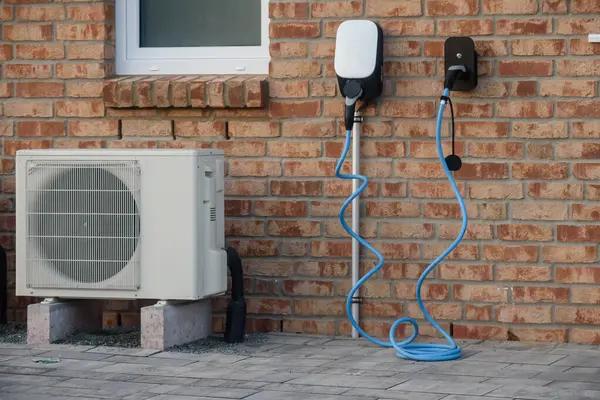
Another mistake involves selecting an inappropriate location for the home charging station installation. It’s essential to choose a spot that is easily accessible for daily use while protecting the equipment from environmental elements such as rain or extreme temperatures. Installing chargers in areas prone to water accumulation or direct sunlight without proper weatherproofing can shorten their lifespan and reduce performance. Additionally, insufficient clearance around the charger may create inconvenience during connection or disconnection of cables.
Vineyard UT electrical services
Failing to comply with local codes and regulations also poses significant risks during installation. Electrical standards vary by region, and ignoring permit requirements or inspection processes can lead not only to legal complications but also compromise safety standards designed to prevent electrical fires or shocks. Engaging licensed professionals familiar with these regulations ensures adherence and minimizes liability issues.
Using substandard materials or incompatible components further contributes to installation problems. Some homeowners attempt cost-cutting by purchasing cheaper chargers or wiring accessories without verifying compatibility with their vehicle model or home’s electrical setup. This approach often results in poor charging efficiency, slower charge times, and potential damage over time.
Improper grounding represents another critical issue frequently overlooked during installations at home garages or driveways. Proper grounding protects users from electric shock by safely redirecting fault currents into the earth; skipping this step increases risk significantly.
Lastly, inadequate planning regarding cable management creates cluttered spaces prone to tripping hazards and wear on cables due to bending or tangling over time. Organizing cables neatly using appropriate holders extends product life while maintaining a safe environment around vehicles.
Avoiding these common pitfalls through thorough evaluation of electrical systems, strategic placement of equipment, compliance with local laws, investment in quality products, ensuring proper grounding practices, and effective cable management will result in a reliable charging station tailored for long-term use at home. Taking these precautions guarantees both safety and optimal functionality when integrating electric vehicle technology into everyday life seamlessly.
Copperhead Electric
Vineyard, UT 84059
801-404-0128